On the morning of July 16, a picking crew walked into Dutton Ranch’s Jewell Vineyard in the Russian River Valley and started cutting Pinot Noir. With that, the 2026 Sonoma harvest season was open — the earliest start in at least 40 years. Steve Dutton, who farms that vineyard with his family, has been at this for four decades. He’s never picked in July. Nobody around here has.
If you’ve been meaning to see wine country do the thing it’s actually famous for — pick grapes, crush them, and start turning them into wine — this is the year to stop meaning to. The whole calendar just moved up. Here’s when to come, what you’ll really see, and why we think the best view of harvest isn’t from a crush pad. It’s from a wicker basket, about a thousand feet up, right after sunrise.
When Is Sonoma Harvest Season? (2026 Broke the Calendar)
In a normal year, the rhythm is steady. Grapes destined for sparkling wine go first — usually mid-August — because sparkling wants fruit that’s lean, bright, and high in acid. Whites like Chardonnay and Sauvignon Blanc follow in late August and September. Then the reds roll in through September and October, with Cabernet and Zinfandel hanging on the vine the longest. Last fall, about 80 percent of the county’s fruit was in by mid-October, and the last reds raced the first real rainstorms to the finish.
Then 2026 happened. A warm spring pushed the vines out of dormancy early, and wind and rain during bloom left smaller clusters with fewer berries. A light crop ripens fast — and this one is running weeks ahead of anything in living memory. That first July 16 pick brought in 12 tons of Pinot Noir bound for sparkling wine at Schramsberg, roughly a third less fruit than the same rows would give in an average year.
What that means if you’re planning a trip: everything slides earlier. August should be in full swing rather than just warming up. September still looks like the heart of it. And if you usually wait for late October to see picking crews and loaded gondolas, this may be the year that plan misses the show.
Harvest Happens in the Dark (Here’s Why That Matters)
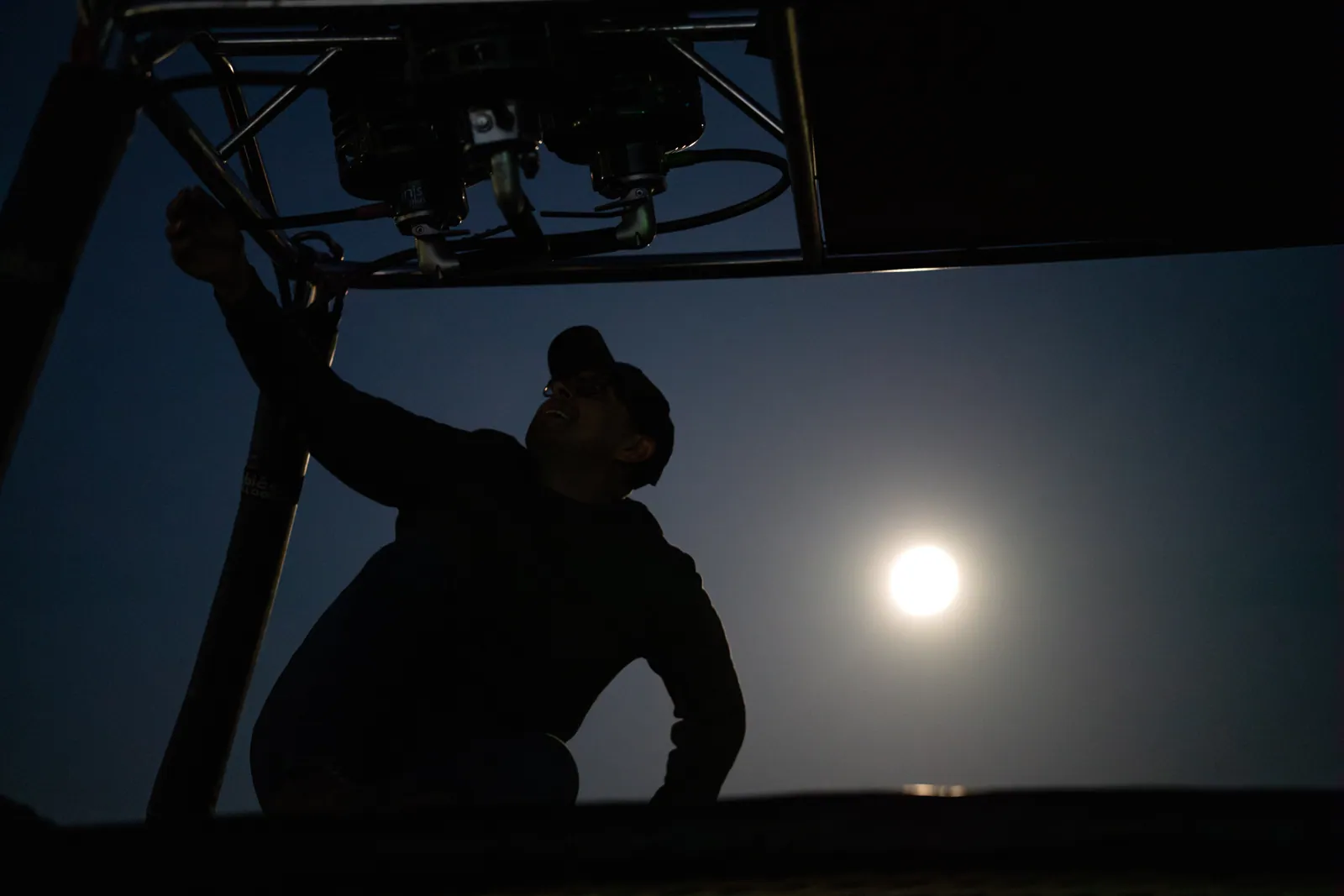
Here’s the part that surprises most first-time visitors: a huge share of Sonoma’s picking happens at night. Crews head into the rows between 10 p.m. and midnight, work under portable light towers, and fill bin after bin until dawn. Cold fruit is the whole point — cool grapes hold their sugar and acidity steady from vine to press, which matters most for the sparkling and white grapes that open the season.
So by the time most visitors are buttering their toast, the pickers are done for the day. What you see from the road after that is “crush”: gondolas and half-ton bins rolling into wineries, forklifts shuttling fruit to presses, sorting tables running, and that sweet fermenting smell drifting over the parking lots.
The scale of it is hard to picture until you’ve seen it. Sonoma County grows about 60,000 acres of winegrapes — only around 6 percent of the county’s land — farmed by roughly 1,800 growers, 85 percent of them family operations, feeding more than 425 wineries. Nearly every vineyard acre here is certified sustainable. As a family business ourselves, we’re partial to those numbers.
The Best Seat for Harvest Is a Thousand Feet Over the Vines
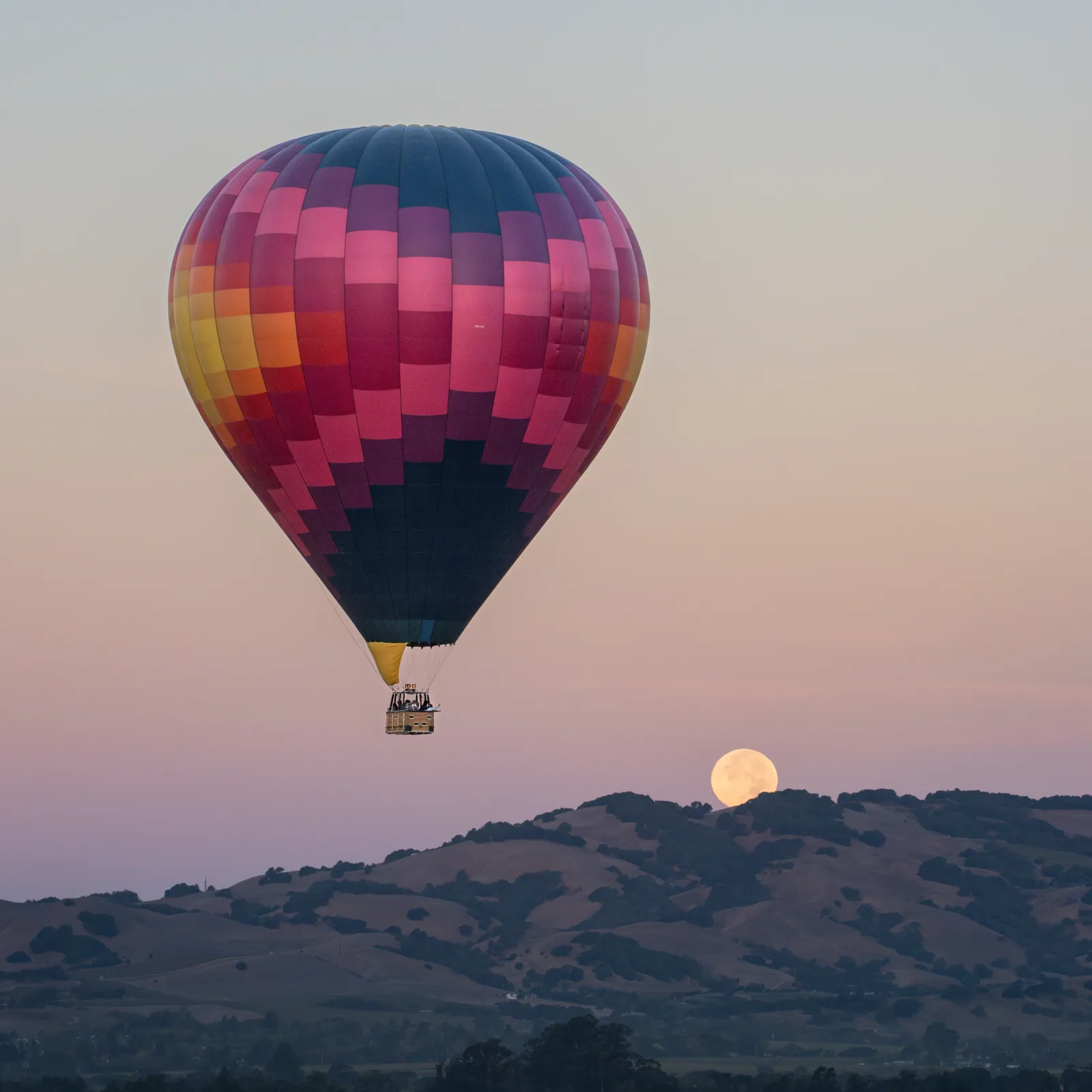
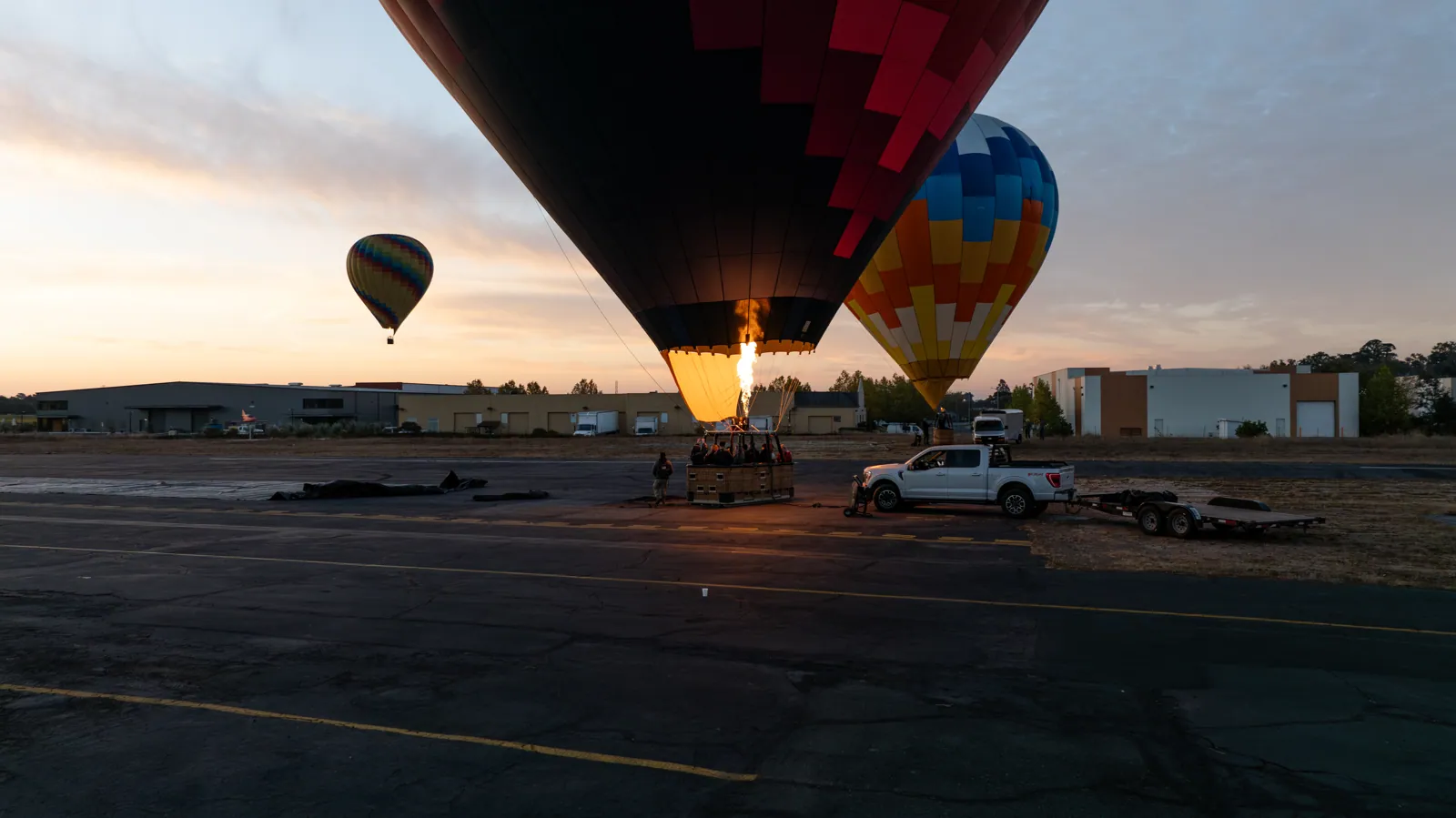
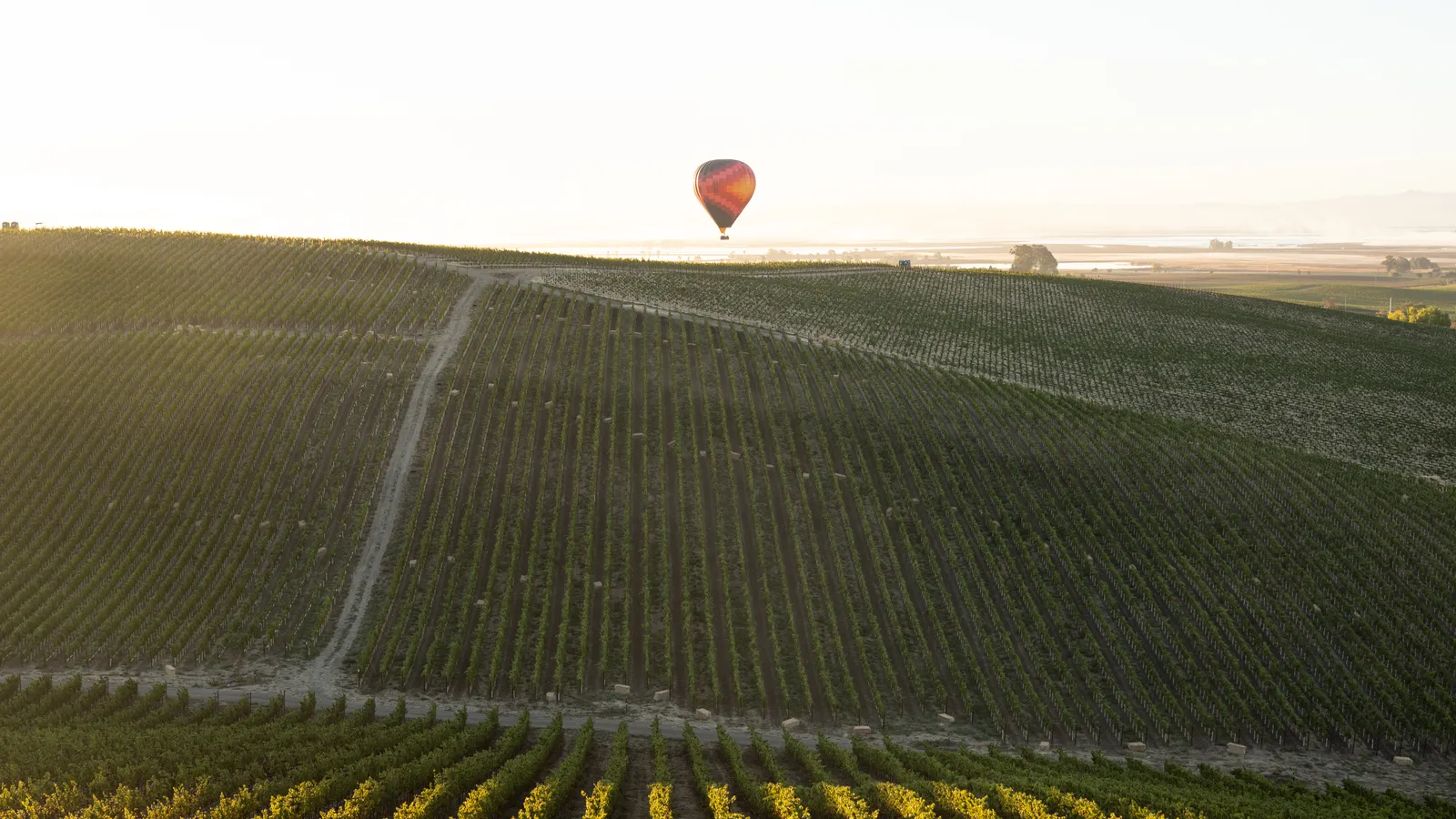
Now the part we know best. Hot air balloons fly at sunrise, when the air is calm and cool — which during harvest is exactly when the night crews are finishing up. Launch with us in late summer or fall and you’re floating over the vineyards at the one hour when the season is visible in every direction: light towers winking off on the hillsides, trucks easing down vineyard roads, bins staged between the rows, fog sliding off San Pablo Bay while the first sun turns the vine tops gold.
We fly the Carneros corridor, the cool, breezy south end of Sonoma Valley. Carneros is Pinot Noir and Chardonnay country — the very grapes that open harvest every year, much of them grown for sparkling wine. In other words, the blocks that get picked first each season are the ones under our baskets. Our post on where Sonoma balloons launch explains why this stretch of the valley makes such a good flight path.
And there’s a full-circle detail we love: the first fruit picked every harvest goes to sparkling wine, and every one of our flights ends with a complimentary champagne toast. Land in a Carneros field in September and you’re raising a glass of the same kind of wine those rows below you were picked for. Flights run 45 to 60 minutes with FAA-certified pilots, and guests have left us more than 2,600 Google reviews with a 5.0-star average.
Ready for your own sunrise?
Join-in flights from $265 · private baskets · groups to 100+.
Book a FlightPlanning a Harvest-Season Balloon Morning
A few practical notes from the seasons we’ve flown:
- Book earlier than feels necessary. August through October is wine country’s busiest stretch, and weekend baskets fill first — private baskets fastest of all. Join-in flights are $265 per person Monday through Thursday and $285 Friday through Sunday; a private VIP basket for two is $1,500, and a private basket for three or four is $2,200. All the options live on our packages page.
- Dress like it’s two seasons at once. Harvest afternoons can push 90 degrees, but sunrise in Carneros sits in the 50s. Layers and closed-toe shoes solve it — our pre-flight page has the full rundown.
- Expect a call the evening before. We confirm your exact check-in time by call or text the night before your flight, once our pilots have read the weather. Check-in is at Sonoma Skypark, 21870 8th St E in Sonoma — about 45 minutes from the Golden Gate Bridge.
- Leave the rest of the morning open. You’ll be back on the ground by mid-morning with a whole harvest day ahead — crush pads humming, tasting rooms pouring the new season’s energy. Our guide to the best winery stops after a flight maps an easy route.
One more insider note: fly midweek if you can. It’s $20 cheaper per seat, and the tasting rooms you visit afterward are blissfully uncrowded even at the peak of the season.
Quick Answers About Harvest Season
When does the 2026 harvest end?
Most years, the bulk of the fruit is in by mid-October and the last reds wrap up as the rains arrive. With a light crop running weeks early, don’t count on late-October picking this year — August and September look like the sweet spot for seeing harvest in motion.
Will I actually see picking from the balloon?
An honest answer: the wind chooses our exact path, so we can’t promise a crew directly below your basket. What you will see during harvest is the season itself — staged bins, gondolas on the move, crush activity at the wineries, and sometimes the lights of a night crew finishing a block as the sky brightens.
Do flights change during harvest?
No. We fly at sunrise year-round, the flight is the same 45 to 60 minutes, and the champagne toast is included every single morning. The only thing that changes in fall is what’s happening beneath you.
Can kids come along?
Yes — riders need to be at least 8 years old and 57 inches tall. Watching harvest machinery from the sky is, in our experience, extremely popular with the 8-to-12 demographic.
What if I’m coming for fall color instead?
That’s a different show — the vines turn gold and crimson after the fruit comes off, usually late October into November. We wrote a whole guide to seeing fall color by balloon.
The vines started without us this year. That’s farming — the calendar belongs to the fruit, not to us. But it does mean the most interesting stretch of Sonoma’s year is happening right now, weeks ahead of schedule, and the mornings are calm, clear, and made for flying. Questions about dates? Call us at 707-819-9223.
Ready for your own sunrise?
Join-in flights from $265 · private baskets · groups to 100+.
Book a Flight